> Huawei says it’s made a 100 percent Chinese PC
[DATE: 09/11/2026 02:14]
[LANGUAGE: EN]
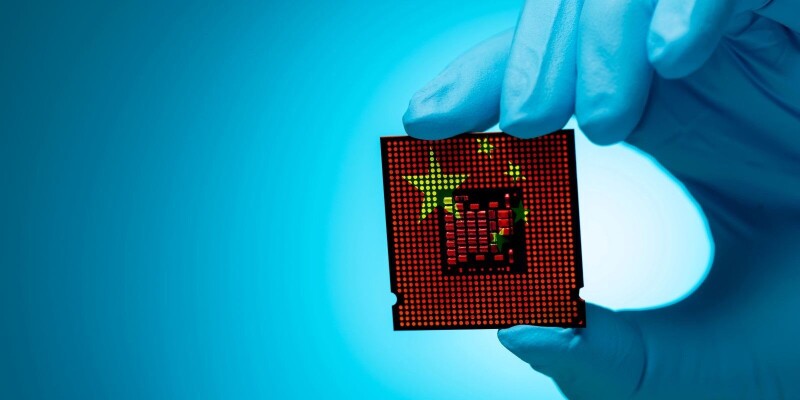
Huawei claims it’s built a desktop PC that uses only parts made in CHina. The company launched the Qingyun HM650 last week and said it uses Huawei’s own Kirin X90 processor, a ten-core 20-thread machine with a clock speed of 2.3 GHz. The machine runs a newly developed enterprise version of HarmonyOS, the OS Huawei developed to end its dependence on Android and which it intends to run on most of the devices it makes. A single Chinese government agency has reportedly signed up for 600 of the machines. That’s not an indication this machine is a curiosity, because Beijing has ordered all government entities to shift from Wintel boxes to local alternatives. While Huawei has reportedly claimed local companies manufactured 100 percent of the components in the machine, it is unclear if all those components use Chinese designs. The Register mentions that uncertainty as many non-Chinese companies continue to operate factories in China. Even if Huawei is using some parts that aren’t entirely Chinese, the debut of the Qingyun HM650 is bad news for Intel, AMD, and Qualcomm, as all are suffering as the PC market shrinks due to the rising cost of memory. China’s government is an enormous buyer, and losing the chance to bid for its business is unlikely to be helpful. Japan announces emergency response package after wave of cyberattacks Japan’s government last Friday announced emergency funding to help local organizations strengthen the nation's cyber-defences. The ¥10 billion ($63 million) package follows a wave of cyberattacks that have disrupted railways, retailers, KFC’s logistics provider, and cloud computing operators. The emergency package aims to help Japanese government agencies to use AI to nail infosec basics, and to build tools that let the National Cybersecurity Office aggregate information about cyberattacks. Some funds will also go towards supporting victims. Lenovo’s APAC boss shifts to lead Motorola Lenovo is looking for a new leader of its Asia-Pacific operations after shifting the boss, Amar Babu, to a role as mobile business group general manager and global president at Motorola. Amar led Lenovo in the region for over five years and the company credited him with turning it into “a more balanced and diversified business and a key growth engine.” “Across the portfolio, AP maintained its #1 PC position, while our mobile business achieved notable growth, with Motorola reaching nearly 9 percent market share in India and the #2 smartphone OEM in Japan,” according to a company announcement. “Our infrastructure business achieved profitable growth and nearly double-digit market share, while Solutions & Services continued to strengthen its best-of-breed industry position and significantly increased its advanced services business mix to over 50 percent.” Lenovo has not named a new leader for its APAC outpost. Vietnam hails homegrown USB storage chip Vietnam’s government last week announced the nation’s first domestically-designed security chip - a 28-nanometer device that apparently integrates encryption algorithms in silicon. The chip is already in use on secure USB storage devices that Vietnam’s government employs to store info for government and defense agencies, plus the Communist Party. The nation hopes to use the chips to secure storage of the national digital signature certification system, and critical infrastructure systems in electricity, water, oil and gas, and telecommunications. Hanoi says the chip needs more testing before the government will trust it to protect state secrets, but hailed the chip as an important step towards development of sovereign security capabilities. Apple’s biggest ever education deal Apple last week quietly announced it has won its biggest-ever sale of Macs into the education market in the Philippines. Speaking on the company’s Q4 earnings call, CEO John Ternus said Apple sold 172,000 MacBook Neos to the Department of Education in the Philippines, which will deploy them to teachers and staff. ®